

Welcome to The Flashpoint.
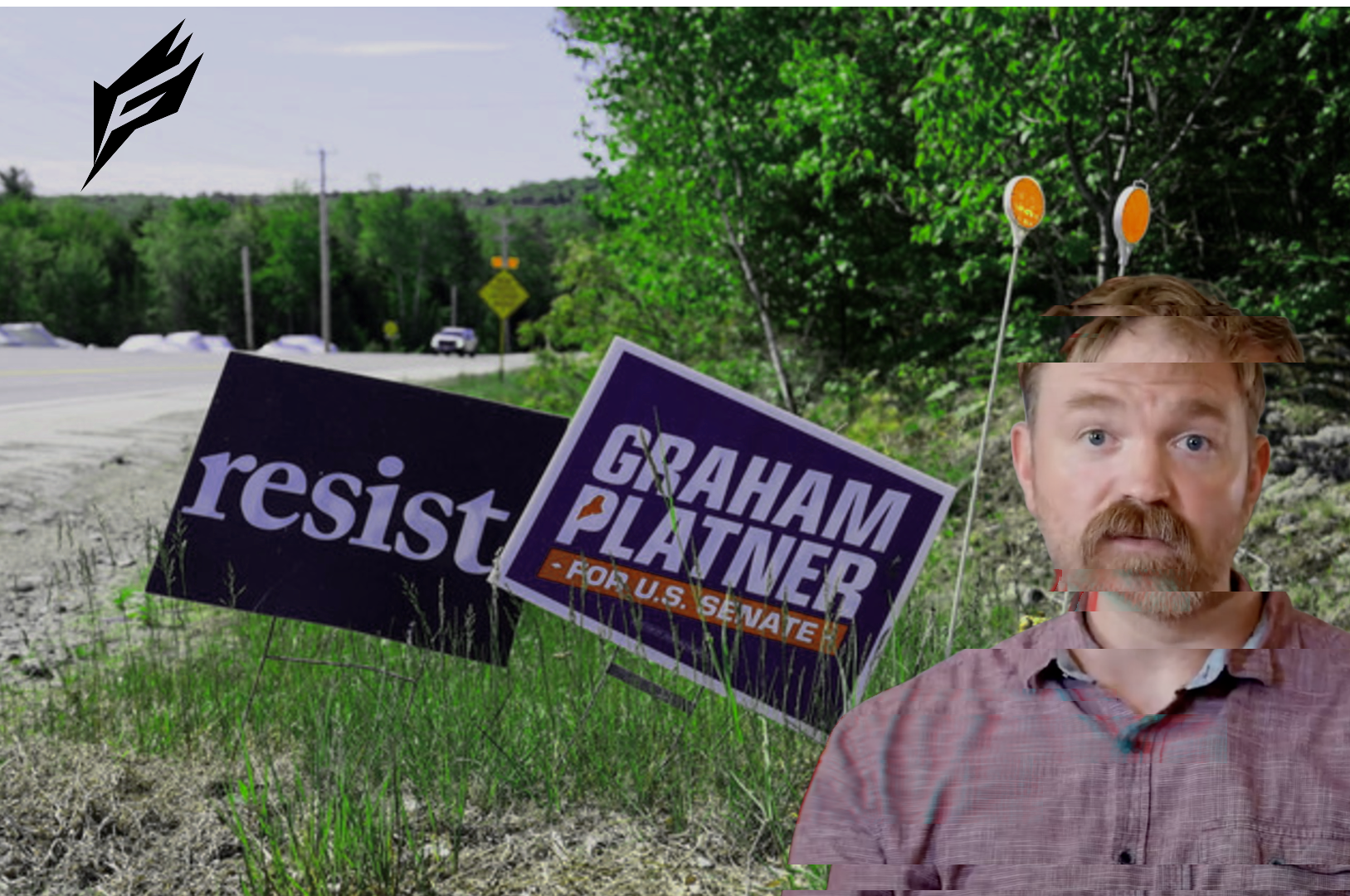
It’s all over but the crying for Maine Democrat Graham Platner, whose upstart primary campaign for US Senate made him a national figure.
On Monday, Politico reported allegations of sexual assault from a former partner of Platner’s that are damning and credible. You can read the story here.
In the article, Platner’s team sounds a defiant note; after it was published, he released a video sounding a more cautious note and all but acknowledging the campaign is over.

Volunteers in the campaign Discord are also calling for him to step down.


So—assuming he does drop out, what’s next?
Maine Democrats have until July 13 to replace him on the ballot.
There are three credible candidates they are likely to pull from:
Nirav Shah. The centrist, establishment pick, he won the initial primary vote for governor—but fell to Hannah Pingree in the ranked choice voting because he couldn’t expand his base. Shah made a name for himself in Maine for his management of the state’s COVID response.
Troy Jackson. A populist former state senator, Jackson is the most spiritually like Platner, with a progressive message. He’s the pick of Platner’s base.
Shenna Bellows. Maine’s Secretary of State, Bellows ran against Collins in 2014 and absolutely cratered, losing by over 30 points. But in the governor’s primary, she was seen as the bridge gap between supporters of Jackson and Pingree.
I suppose it could be someone else but those are the three I’m betting on.
In other news, I profiled veteran Alex Scheel for The Intercept. He’s running in Washington’s 10th District to unseat incumbent Marilyn Strickland.
Born in San Diego in 1987 and raised in northern Michigan, Scheel joined the military in 2007. He served as an interrogator in Iraq until 2011 and in 2012 worked in intelligence in Afghanistan. That experience “radicalized” him, Scheel said. Speaking to men his age who were potential “enemies,” he instead found common ground with their frustration and could relate to their rage.
“As an interrogator, I sat and talked to Iraqis and Afghans every day and got to know them and got to understand where they were coming from,” he said. Scheel said his interaction with one man, Muthanna, sticks with him in particular. He told Scheel “how the Americans came in, invaded, bombed the electricity plants, and bombed water treatment plants. They had four hours of electricity a day and no clean drinking water, [the U.S.] killed his dad in the invasion, and they threw his uncles into prison.”
Scheel continued, “He was painting this horrible picture. I had enough empathy to put myself in his spot and go, ‘Holy shit, I would do the exact same thing. I would join any sort of group that tried to defend my country and my family and friends.’”
Last month, I went to Washington and moderated a talk on AI regulation. You can check it out here:
That’s all for now—thanks for reading!