
Concentration camps
"We are all in one big room with no doors or windows. We can’t see any grass or trees. We are all constantly sick.”

Welcome to The Flashpoint.
Upgrade today to support our work.
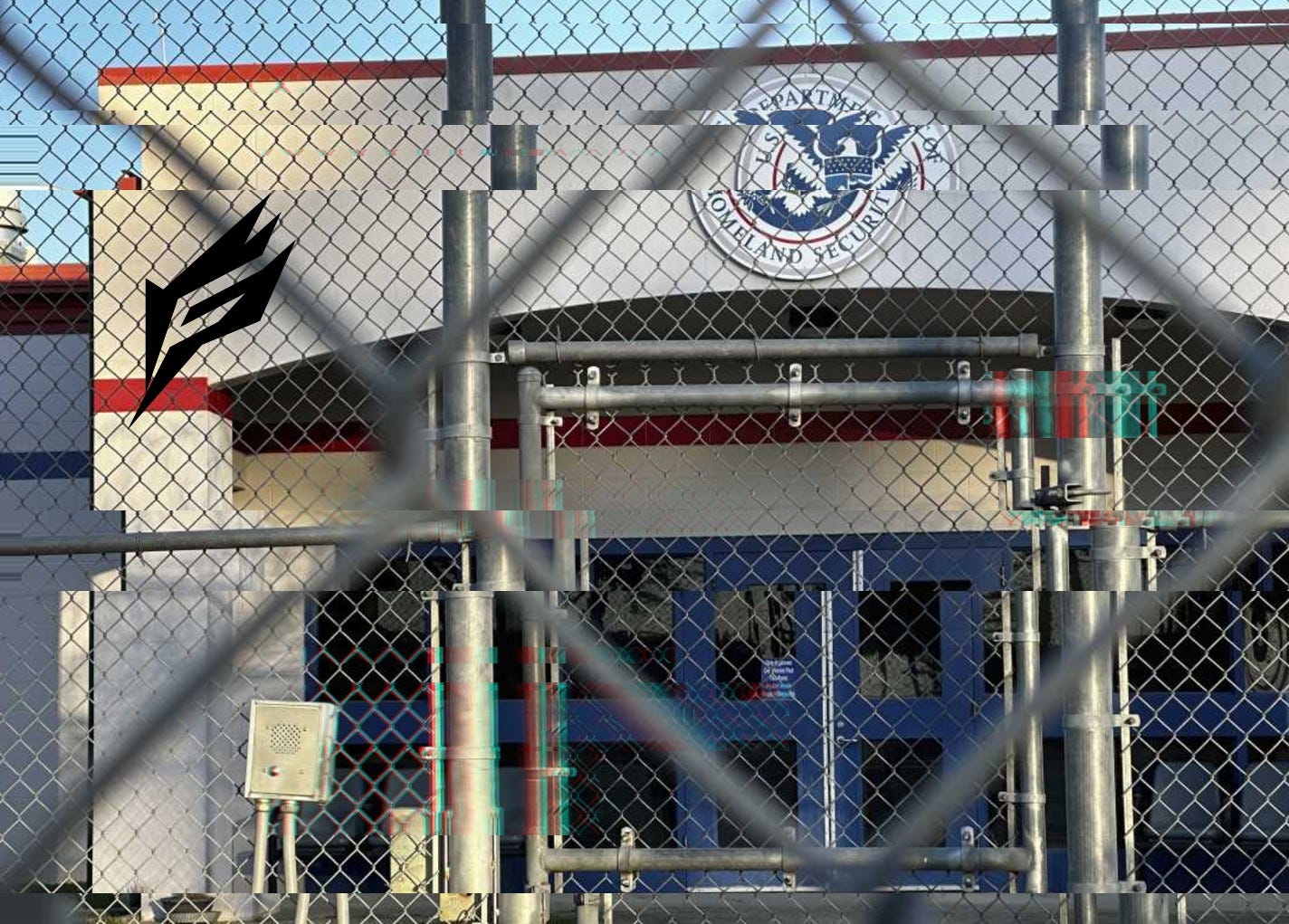
The US government operates a network of detention centers around the country for migrants awaiting hearings and processing—and conditions are deteriorating.
These concentration camps are a bipartisan project. Under former President Barack Obama, the US expanded its capacity for family detention and put people into cages where their treatment sparked outrage and protest from civil liberties groups.
President Donald Trump, in his first term in the White House, upped the ante on the brutality of the system, separating children from parents, and had as a matter of policy unsanitary and crowded conditions; former President Joe Biden increased the amount of detainees held in federal facilities without substantively improving the overall environment.
Under Trump’s second term, things have gotten markedly worse.
Reporting just in the last four days shows the extent to which the administration’s policy is to treat migrants as poorly as possible without outright killing them and how the US network of concentration camps is built for pain and misery.
Detainees in San Diego’s Otay Mesa Detention Center are wrapping messages around lotion bottles and throwing them over fences to tell supporters about the reality inside the prison walls.
“It’s cold here all the time and the food is poor. For 280 days we haven’t eaten a single piece of fruit, banana, apple, orange, or anything fresh. We are all in one big room with no doors or windows. We can’t see any grass or trees. We are all constantly sick.”
A whistleblower in Baltimore exposed how dire the overcrowding has become in the city’s ICE detention center.
“I worked there for several months and it was probably day one, day two that I saw the abuse,” the worker said. “I saw people laying in feces. People throwing up, people laying in urine.”
In Burlington, Massachusetts, an administrative field processing center built for temporary holding has become a de facto full time detention center for migrants captured in Maine.
Lograi Tuzolana, one of Nice’s clients, said she was screamed and cursed at as she was crammed into a cell with some 50 other people. The cell had just one toilet and detainees had no access to showers. Nice said she has been told by several clients that each toilet is in view of a camera.
“Everyone was feeling bad, sick,” Tuzolana said. “Many people could not breathe properly, people were falling down because of the conditions. The food was like dog food.”
An Irishman held in El Paso—he was shipped there after being picked up by immigration officials near Boston—told the Irish Times that detention is “like a concentration camp, absolute hell.”
He said he has been locked in the same large, cold and damp room for 4½ months with more than 70 men. He said detainees are constantly hungry because meals served at tables in the centre of the room offer only child-sized portions. Fights often break out over food, “even over those little child-sized juice containers”. Toilet areas are “filthy”.
He said there is little to do but lie on a bed all day. Most detainees do not speak any English. He said he has been allowed outside for air and exercise fewer than a dozen times in nearly five months. The atmosphere is full of “anxiety and depression”, he said.
Finally, ProPublica talked to children held in the ICE facility in Dilley, Texas, receiving letters from kids as young as five.
“When I arrived every night I cried and now I don’t sleep well, I felt that being here was my fault and I only wanted to be on vacation like a normal family.”
There will almost certainly be more nightmarish reporting to come from inside of these detention centers.
And as the Trump administration continues its assault on migrants, especially migrants of color, the stories are only going to get worse.
Where are the arrest warrants for underlings for misprision of felony and treason? RI, VA, IL, VT, CA, and DE, we’re looking at you. When I was a middle school guidance counselor, we addressed bullying by going after the underlings instead of the well-insulated kingpin. It didn’t take long for the house of cards to collapse. This “network” approach is used with organized crime. https://www.crimrxiv.com/pub/cofzjnzx/release/1